

Bute has seen an incredible food and beverage renaissance since the Pandemic. It might be a stretch to say it’s the ‘golden age’ of hospitality for the island, as 70s on Bute is hard to compete with, but it’s not far off. From thriving cafes like Wee Zoe’s and Callows, to cocktails in Bute Yard and The Sulking Room. The days of trekking over an hour to Glasgow for a decent marg and boozy bingo could be over. Bute is finally getting the cultural pampering it deserves.
And the best thing about all that? Some of the old still remains gold. Ettrick Bay Tearoom has been a historical hospitality icon on the island for over 100 years. With the recent news of new ownership, Ettrick Bay Cafe (as it’s now known) will be once again opening its doors to the public on Monday 7 July 2025. And just in time for its opening, I thought I’d take myself to Bute Museum, dig through some archives and bring you 5 things you didn’t (or might not) know about Ettrick Bay. And remember, if you did, pretend you didn’t so I can feel better about how much time I spent on this. Features on Bute is back. Let’s goooo…
1. Ettrick Bay Cafe was originally a tram station


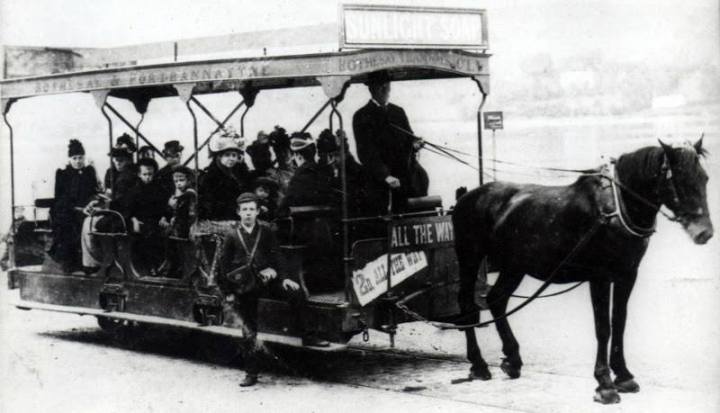
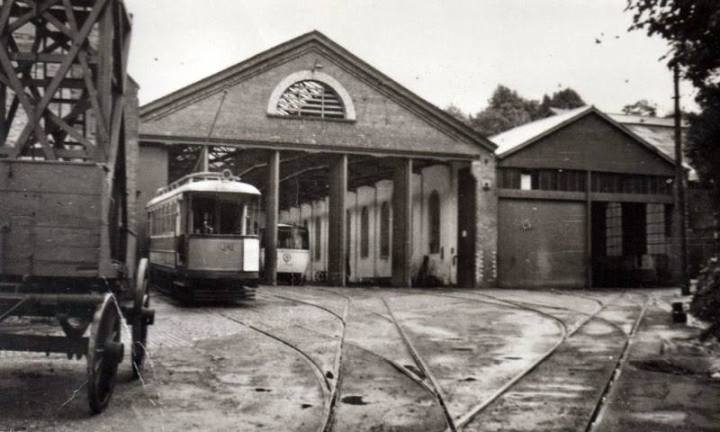

The cafe, as we now know it, looks like it all began with an IKEA flat-pack. The building’s predecessor came without any meat on its bones. Why? Because it was a tram station, designed for the city folks and locals who loved a beach holiday before they became Jet2-ified,
A horse drawn tramway in 1882 connected Rothesay to Port Banantyne, and was later electrified and extended to Ettrick Bay by around 1905. It was in operation until around 1936 (according to some reports), but by this point, it had evolved into a Pavilion hub to cater to the many tourists. The influx of holiday punters meant the tram was no longer the best transport option due to maintenance. Then came the island favourite – the bus.
Sections of the old tramway route have been made into the classic and well-known footpath to Ettrick Bay, which allows walkers to trace the historic tram route from St. Colmac’s church to the cafe. And, a little bit of tram trivia I’ve been told: some of the original tram rails are still embedded in the ground of the bus garage at Ardbeg!
2. Ettrick Bay hosted concerts and live entertainment up until the late 60s


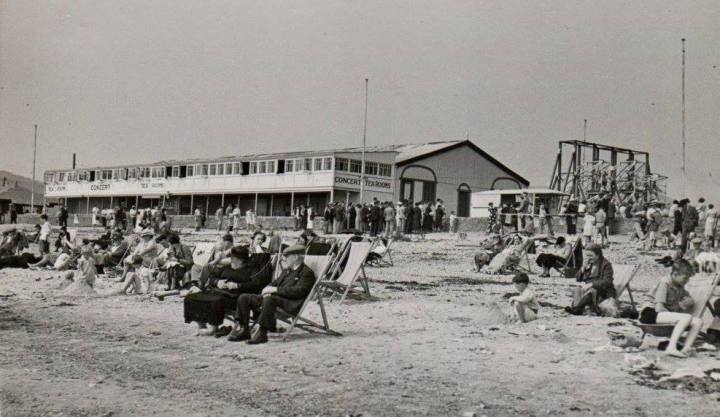

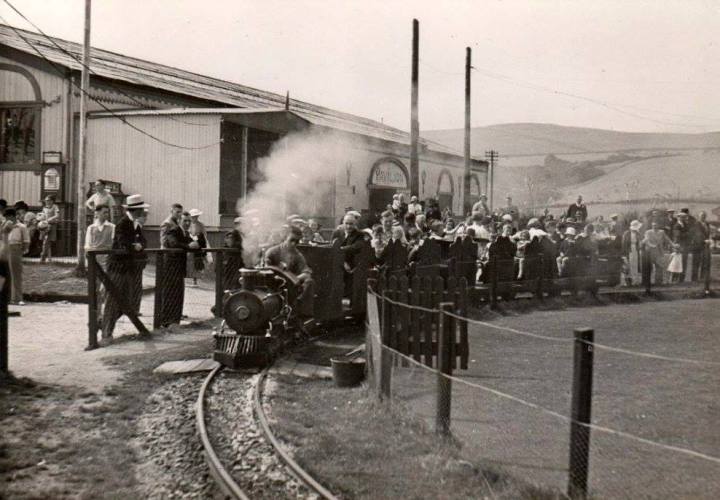
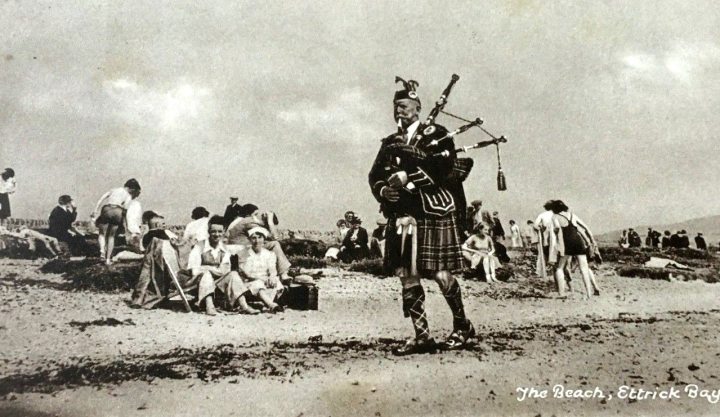
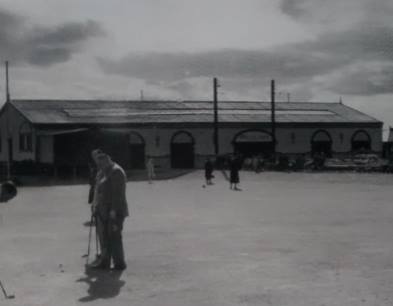
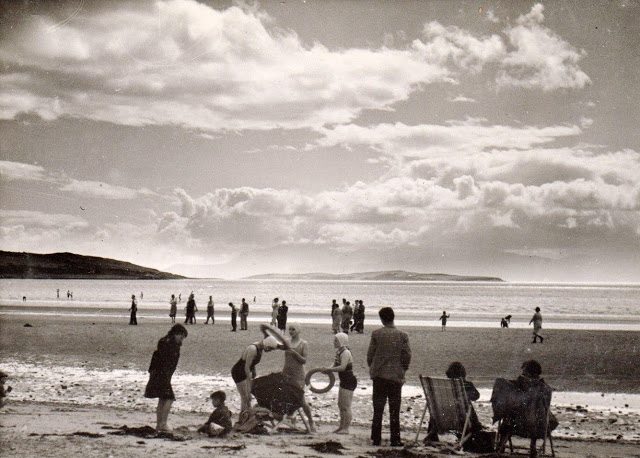


From classy high tea parties in the early 1900s, to donkey rides and putting greens, and even miniature train rides and live music by the mid-century – this was THE place to be. Ettrick Bay didn’t even walk, it jogged so ButeFest could run.
As the building evolved from a tram station to a pavilion with the influx of tourism over the early to mid 20th century, it became a host for live entertainment offered as a combined ‘tram and concert ticket’ package by The Rothesay and Ettrick Bay Light Railway Company. What a day out.
The Pavilion had a seating capacity of nearly 1,000 and, at one point, even had a separate ‘soda’ and ‘ice cream’ shop to cater to the clientele.
Local resident, Mike Blair, commented on a Bute Photo Archive image of Ettrick Bay’s Pavilion: “When I worked for the old Advertising Association during 1960 school holidays, we ran family dances here twice a week: went in a van, collected band, took the money, did the bouncing, sold the tea etc. and then took the band home again.”
Maybe ‘the good old days’ isn’t an exaggeration. Is it too late to bring back high teas with the girls?
3. The Ettrick Bay Pavilion was destroyed by a hurricane

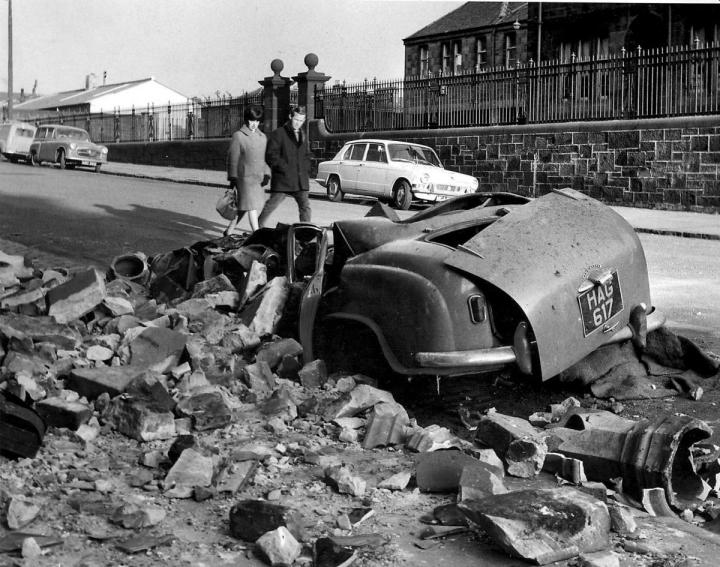

The very glam Ettrick Bay Pavilion was destroyed by the extratropical cyclone, Hurricane Low Q in January 1968. With winds reaching up to 134 mph, the seaside building did not stand a chance. The storm resulted in 20 fatalities across Scotland and left approximately 700 people homeless. Glasgow alone seen the damage of up to 70,000 buildings!
In the summer of 1973, work commenced on the building of its successor – a much smaller tearoom which was sponsored by Bute County Council. What started out as a mere £12,000 project, was estimated to cost around double that.
In 1975, Bute County Council invited offers for the let of the cafeteria.

4. Scottish Aviation history was made at Ettrick Bay
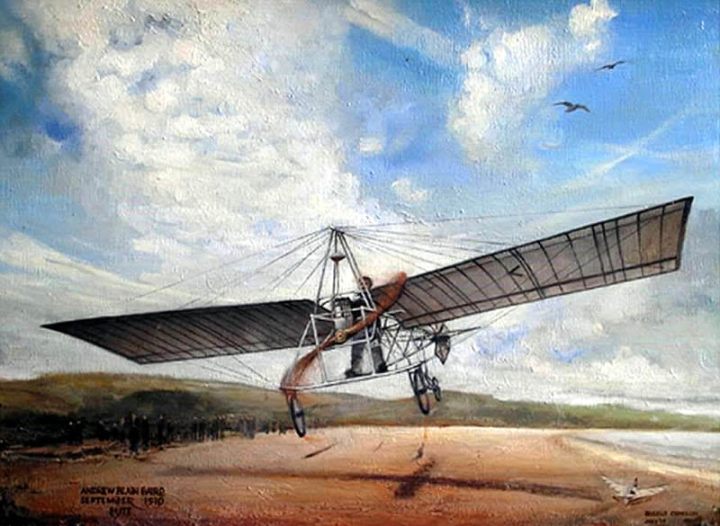
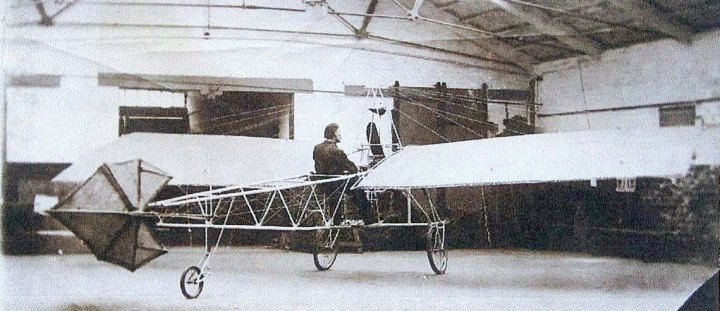
Is it a baird? Is it a plane? Andrew Blain Baird, a blacksmith from Bute, made Scottish aviation history on 17 September 1910 at Ettrick Bay. On that day, he piloted the first all-Scottish heavier-than-air powered flight in a monoplane of his own design and construction.
And, if, like me, you had no idea what heavier-than-air powered flight meant, it refers to any form of flight by a vehicle/aircraft that is denser than the air it displaces, so it must generate lift to stay airborne. This is different from lighter-than-air flight, which relies on buoyancy (like hot air balloons).
Baird had built the aircraft in his workshop alongside his wife Euphemia Martin (a distant relative of mine), who reportedly sewed the silk for the wings (which I thought was so cool!). We love teamwork.
For all the aviation enthusiasts here, the monoplane featured a unique control system and was powered by a four-cylinder engine, crafted by the Alexander Brothers in Edinburgh.
The aircraft was transported by horse-drawn wagon from Rothesay to Ettrick Bay, where a small crowd had gathered for the event. Baird’s plane managed to lift off the ground, only for a short time, before veering to the right and landing abruptly.
Despite a little damage and a short flight, the achievement marked a big milestone in Scottish aviation history and Baird’s contributions are commemorated by the Baird of Bute Society. They celebrate his legacy and aim to inspire young people to aspire to great achievements.
There’s a monument at Ettrick Bay today which serves as a lasting tribute to Baird. Learn more about Baird’s story here.
5. Ettrick Bay was the sight of an iconic fishing boat wreck

Credit: Zak335 (www.Pbase.com/Zak335). 2006. 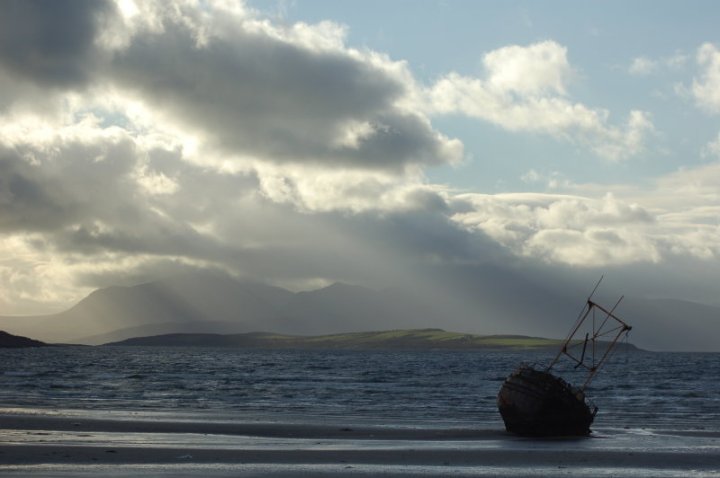
Credit: Zak335 (www.Pbase.com/Zak335). 2006. 
Credit: Zak335 (www.Pbase.com/Zak335). 2006. 
Credit: Zak335 (www.Pbase.com/Zak335). 2006. 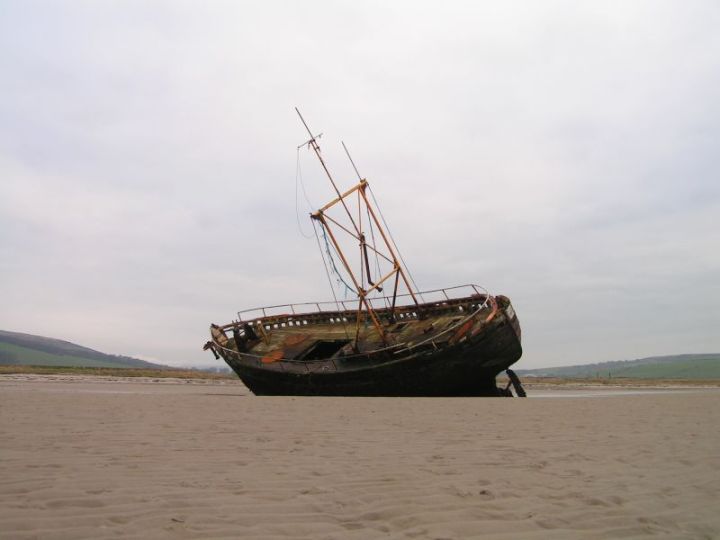
Credit: Zak335 (www.Pbase.com/Zak335). 2006. 
Credit: Zak335 (www.Pbase.com/Zak335). 2006. 
Credit: Zak335 (www.Pbase.com/Zak335). 2006.
There she is. The ship that captured our hearts and camera lenses in the early 2000s. Now, as hard as I’ve tried to piece the puzzle of this shipwreck together, it still has me (and many islanders) stumped. Its story is shrouded in speculation. So, what do we know about this ship?
It was a fishing vessel called the Co-Worker and it was eventually dismantled in 2007 after a storm-damage in January of the same year. The local council and Bute Estate subsequently deemed it a safety risk to the public. But how and when it got there is the mystery.
Some sources claim the ship was beached during a storm in 1999. Other sources claim it was 2003. And due to the shallow waters of the bay, it’s been reported that it wasn’t economically feasible to salvage the ship.
While the information around the Co-Worker is limited, it is believed to have been built in 1948 and passed through various owners. I also stumbled across a BBC Scotland blog from 2005, where a user by the name of Bute Guy (sounds like he might know a thing or two about Bute) commented: “I understand the boat was dumped as a protest against fishing quotas or something like that.” Another user called Ex Bute Lass estimated it had only been in Ettrick Bay for around 5 years at that time.
Despite the speculation, there’s no denying that it was a staple of island photography and provided a fun (but dangerous) climbing frame for beachgoers. Also, if you happen to know any details about how and when the Co-Worker came to be at Ettrick Bay, please let us know in the comments!
Still curious about island life through the ages? Read more of my Features on Bute articles, including how the earliest settlers of Bute lived, all about Italian Immigration to the island and 5 famous Brandanes you’ve probably never heard of.
Huge thank you to Bute Museum for all their help.
Discover more from
Subscribe to get the latest posts sent to your email.
 ailsagillies.com
Fantastic read, many thanks for all your efforts, enlightening. Andrew
LikeLiked by 1 person
Thanks Andrew and you’re so welcome ! It’s always a pleasure
LikeLike